A broken lock feels stressful at any time, but it can feel much worse when it happens late at night. You may be exhausted, cold, worried about security, or unsure whether you can safely get inside. The most important thing is to stay calm, avoid making the damage worse, and make sensible decisions based on your safety.
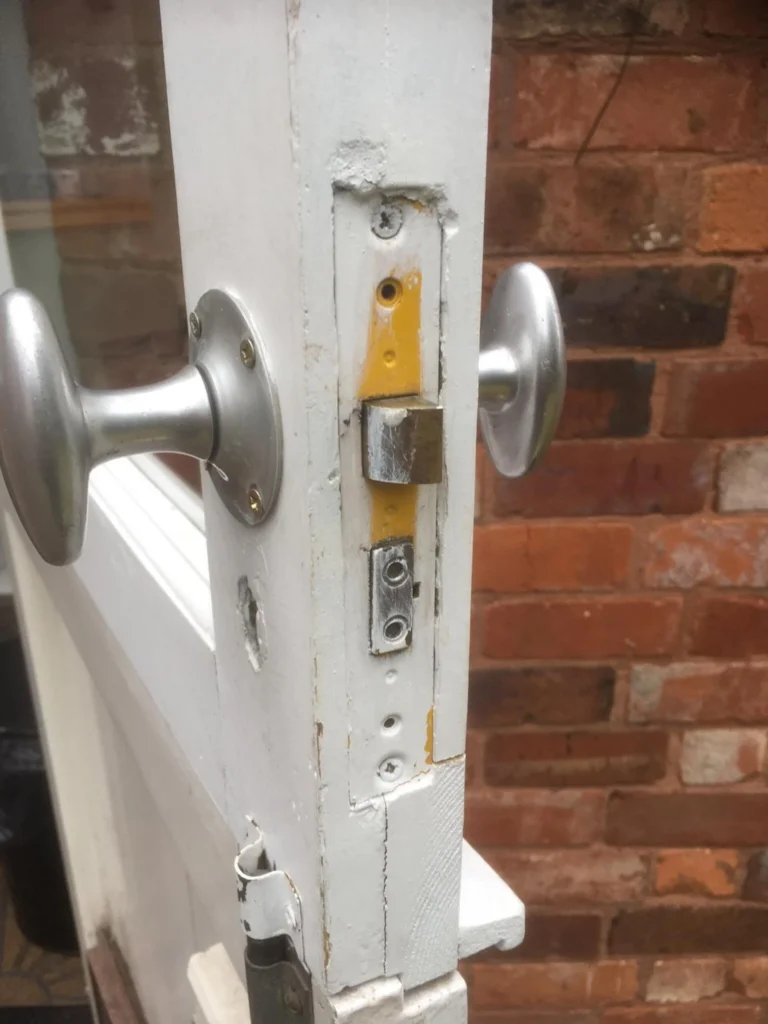
A lock can fail for many reasons. The key may snap, the cylinder may jam, the mechanism may seize, or the door may no longer line up with the frame. In Manchester, damp weather, worn keys, older uPVC doors and tired multipoint locking systems can all cause problems over time.
This guide explains what to do if your lock breaks late at night, how to stay safe, and when you should call a qualified locksmith.
Understanding the Lock Situation Before You Act
Before proceeding, please assess the specific issue at hand. Locks can fail for various causes, including worn internal parts, key breakage, and weather conditions. In some situations, the key can snap inside the cylinder. Others may experience an unexpected jam in the mechanism.
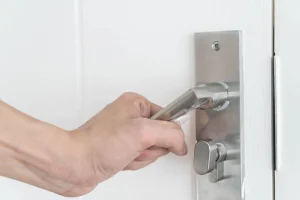
Check to see if the problem is with the key or the lock. If you have a spare key, use it cautiously. Avoid using force, since it can exacerbate the harm. If the door handle seems loose or the lock does not turn, it is most likely due to a mechanical breakdown.
Immediate Steps to Stay Safe
Safety should always come first. Put safety first. If you are locked outside at night, move to a well-lit area and stay aware of your surroundings. Contact someone you trust as soon as possible and explain what has happened.
If you are inside but unable to lock your door, consider using temporary security measures. Close all windows and use interior locks if possible. You can temporarily boost your confidence by placing a heavy object against the door until you resolve the issue.
For people in unfamiliar or high-risk locations, it may be wiser to wait in a secure nearby place, such as a 24-hour shop or petrol station, while arranging for assistance.
Safe Ways to Regain Access
It can be tempting to try quick fixes, but many common methods can cause more harm than good. Using tools such as screwdrivers or hairpins without proper knowledge may damage the lock permanently.
Instead, consider these safer approaches:
- Check for alternative entry points, such as a back door or window, if they are safe and accessible.
- Contact someone who holds a spare key.
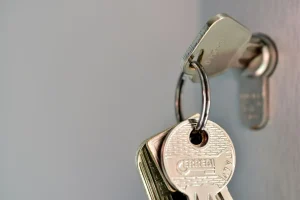
- Use a spare key stored securely nearby if you have one.
If none of these options works, it is best to avoid further attempts and seek a professional locksmith. Damaging the lock can increase repair costs and compromise your security.
When to Call a Professional Locksmith
If the lock is completely unresponsive, the key has broken inside, or you cannot access your property, it is time to contact a qualified locksmith. Emergency locksmith services operate around the clock and are trained to handle urgent situations efficiently.
A trusted provider, such as the veteran locksmith, can assess the issue and resolve it without causing unnecessary damage. They use specialised tools designed for different lock types, ensuring the door and surrounding structures remain intact.
Professional locksmiths can also check for underlying issues that may have caused the failure. This is important for preventing similar problems in the future.
Signs You Need Lock Expert Help
Certain situations clearly require professional assistance:
- The key is stuck or snapped inside the lock.
- The lock spins without engaging.
- The door will not open despite multiple attempts.
- You suspect internal damage or tampering.
Ignoring these signs can lead to more serious security risks. Getting help quickly ensures your home remains protected.
Preventing Future Lock Issues
After resolving the immediate issue, taking steps to prevent a recurrence is worthwhile. Locks experience wear over time, especially with frequent use. Regular maintenance can extend their lifespan and improve reliability.
Simple actions can make a difference:
- Keep your locks clean and free from debris.
- Use appropriate lubrication occasionally to maintain smooth operation.
- Replace keys that show signs of wear.
- Upgrade older locks to modern, more secure systems.
It is also helpful to have a spare key stored safely or with someone you trust. This can save time and stress during emergencies.
Working with experienced professionals like the veteran locksmiths can provide valuable advice on maintaining your home security. They can recommend suitable lock types based on your property and usage needs.
Final Thoughts
Dealing with a broken lock at night can be inconvenient, but the right approach helps you stay in control. Focus on safety first, avoid damaging the mechanism, and seek expert help when needed. With proper care and maintenance, you can reduce the chances of facing the same issue again.