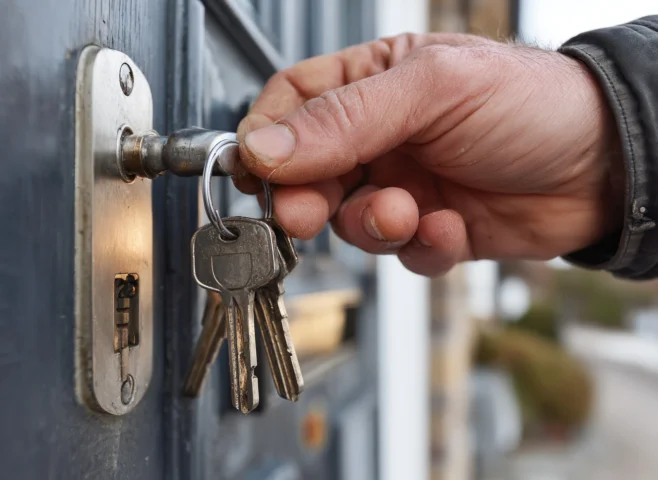

When you stand on the wrong side of a locked door, the biggest worry is often not just getting back in. Many people also fear that the emergency locksmith will wreck the door or frame and leave a costly repair behind. In reality, a trained lock and key specialist usually aims to gain entry without harming your property at all.
Understanding how they do this helps you feel calmer when you make that urgent call and allows you to judge whether the person at your door is working in a careful, professional way.
Experienced companies, such as the veteran locksmith, invest in tools and training that focus on non-destructive entry first. That is now the standard approach for reputable firms across the United Kingdom.
Understanding the Role of an Emergency Locksmith
Emergency locksmiths help people quickly when they’re locked out of their homes, have broken locks, or need to fix their security systems quickly. They work around the clock to keep things safe without damaging the frames, doors, or locks. Their main goal is to quickly unlock access while keeping the login system intact.
Why Locksmiths Use Non-Destructive Techniques
Non-destructive entry means opening a locked door without breaking the lock or the door, or at least without breaking them more than necessary. Rather than cutting or sawing through the lock, a skilled locksmith uses special tools to carefully work with the lock’s inner mechanisms.
This could mean working on a cylinder from the outside, picking pins one at a time, or easing a latch that has just clicked into place. In today’s UK houses, that could mean handling:
- Multi-point locks on uPVC or composite doors.
- Night latches, often called Yale-type locks, are on timber doors.
- Mortice locks set into a wooden door edge.
- Euro cylinders are commonly used in many modern lock cases.
A knowledgeable emergency locksmith understands the weak points and safe access points of each style and adjusts the method to suit rather than forcing the door in the same way every time.
What Happens When The Locksmith Arrives
A good door entry expert has a set process that they follow. That process keeps you safe and makes sure nothing bad happens.
They check that you have the right to enter. This could mean asking for proof of where you live or checking with a friend or landlord. As part of their duty to keep you safe, honest companies take this step seriously.
Next, the locksmith looks at the door from both sides, if possible. They look at the door and frame’s material, the kind of lock, and whether or not there is any damage. The locksmith also asks whether you have lost the key, broken it, or left it inside the property.
They only pick a way after this quick survey. A meticulous technician talks about the plan in simple terms, including the possibility that damaging work might be necessary if the lock has failed internally. Businesses like The Veteran Locksmith usually make this clear at the beginning, so there are no shocks later.
Common Non-Destructive Methods Used to Unlock Doors
Lock Picking and Bypass Tools
One of the oldest and most dependable ways to unlock conventional locks without harm is lock picking. A locksmith manipulates the lock mechanism to simulate key movement with tension wrenches, picks, and other precision equipment. Some locks can be opened rapidly with modern bypass equipment without damaging the internal structure.
Lock Decoding and Key Impressioning
Decoding creates a working key or aligns a lock using its internal pin patterns. Other exact methods include key impressioning, which involves making a new key from delicate keyway marks. Both methods demand experience and precision.
Using Specialised Opening Equipment
An emergency may require electric lock picks, plug spinners, or air wedges. These apply uniform pressure and softly unlock mechanisms. These tools open doors without damaging frames, handles, or locks.
Types of Locks and Their Opening Methods
Cylinder Locks and Mortice Locks
Common uPVC door cylinder locks are picked or bypassed. Older wooden doors include mortice locks that require special lever picks. Professional locksmiths understand these mechanisms to avoid breakage.
Smart Locks and Digital Entry Systems
Locksmiths now see computerised locks and keyless systems in smart houses. These require electronic program modifications, reset codes, or mechanical overrides. Locksmiths keep up with technology to keep non-invasive entry methods working.
How You Can Help Reduce The Risk Of Damage
You cannot remove every risk, but you can stack the odds in your favour. Consider the following steps.
- Choose a locksmith with strong reviews and a clear local presence rather than the first advert in a search list.
- When you call, explain exactly what happened and describe the door and lock. Mention whether any previous damage or sticking has occurred.
- Ask politely whether they aim for non-destructive entry first and what will happen if that proves impossible.
- Avoid forcing keys or ramming the door yourself before they arrive, as this can twist parts and make gentle entry harder.
Regular maintenance also helps. Keeping hinges tightened, cleaning away grit and acting early when a lock begins to feel stiff all reduce the chance of a full failure.
Aftercare and Improving Your Door Security
Many people think unlocking a door breaks it, although that’s rare. An experienced emergency locksmith uses advanced tools and knowledge to gain entrance safely. Their mechanical perfection and problem-solving talents ensure speedy solutions and long-term peace of mind. Their expertise protects property and security with traditional and digital locks.