
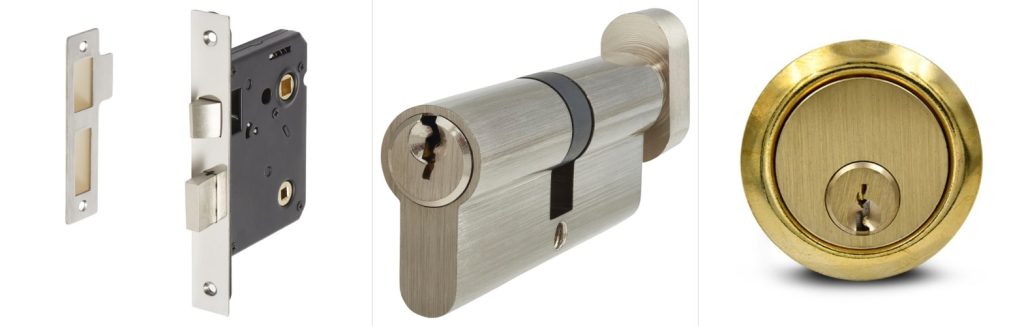
Choosing the right locking system can shape the overall security of your property. In the United Kingdom, three common lock types stand out – rim cylinders, euro cylinders, and mortice locks. Each design offers unique functions and levels of protection. Knowing these differences helps homeowners and business owners make better security decisions.
The Veteran Locksmith often advises that understanding the inner workings of these locks can lead to better long-term results and fewer maintenance issues. Let’s explore how each one performs and what situations they are best suited for.
What Are Rim Cylinders?
Rim cylinders are often part of a night latch system that is installed on the inside of the door. This type of lock is spring-loaded, which means the latch automatically secures the door when it closes. It is convenient for individuals who like self-locking systems for frequent entrances and exits.
Rim locks are typically surface-mounted rather than incorporated within the door. Because of their design, they are common in older or period-style homes throughout the UK. However, while rim cylinders are simple to install and use, they only provide a minor barrier to forceful access.
Key Characteristics:
- Mounted on the door’s surface.
- Typically used with night latches.
- Offers convenience but limited strength.
- Suitable for internal or secondary doors.
When combined with a deadlock, rim cylinders can support additional security, making them a practical option for residential entryways that require continual access control.
Understanding Euro Cylinders
Euro cylinders are widely used for their versatile design and ability to work with various types of door materials. Their profile resembles a keyhole from the side, which is how they get their name. Most uPVC and composite doors in the UK rely on Euro cylinder mechanisms.
A euro cylinder operates through a key action that moves the internal cam, turning the lock. These locks can be single, double, or thumb-turn types, allowing easy control from inside or outside the property.
Key Characteristics:
- Common in uPVC, aluminium, and composite doors.
- Supports multiple locking configurations.
- Easy to upgrade or replace.
- Available with anti-snap and anti-pick protections.
For better home security, The Veteran Locksmith often recommends upgrading to a British Standard TS007 3-star rated cylinder. Such models are resistant to modern forced-entry methods, including drilling and snapping.
Exploring Mortice Locks
A mortice lock is installed into a pocket cut directly into the door, offering a deeper and stronger locking system. This structure makes mortice locks harder to tamper with. Commonly found in wooden doors, these locks require both a latch and a bolt mechanism activated by a key.
Mortice locks come in two main formats: sash locks and deadlocks. A sash lock includes a latch that allows the door to close without locking it fully, while a deadlock only secures the door when locked by key. Most insurers in the UK recommend a 5-lever mortice lock that meets British Standard 3621 for main entrances.
Key Characteristics:
- Fitted inside the door for maximum strength.
- Compatible with wooden doors.
- Common in domestic and commercial settings.
- Meets insurance standards when 5-lever rated.
These locks provide superior durability and resistance to tampering, making them a secure choice for external doors.
Comparing the Three Types
Below is a comparison summarising how rim cylinders, euro cylinders, and mortice locks differ across various aspects:
| Feature | Rim Cylinder | Euro Cylinder | Mortice Lock |
|---|---|---|---|
| Installation | Surface mounted | Embedded within the door | Embedded within door |
| Common Door Type | Timber | uPVC or composite | Wooden |
| Level of Security | Moderate | High with upgraded models | Very strong |
| Key Access | Inserted through the door | Single or double key options | Key both sides |
| Maintenance | Simple | Replaceable cylinder | Professional fitting required |
| Insurance Approval | Usually not | Some models approved | 5-lever standard approved |
When to Use Each Lock Type
The ideal lock type depends on your door material, required security level, and usage preferences.
- Rim cylinders suit doors used frequently during the day, such as front doors in shared buildings or interior access doors. Their automatic locking nature provides convenience, but should be supplemented by another lock.
- Euro cylinders are ideal for modern doors and multi-point locking systems. Their flexibility allows easy key changes and better security through advanced designs.
- Mortice locks offer high-grade protection for traditional wooden doors, perfect for main entrances or office spaces where security is a top priority.
Choosing wisely means balancing convenience, cost, and long-term safety, all while ensuring compliance with British security standards.
Security Upgrades and Maintenance Tips
Quality hardware dramatically improves security. You must check and replace locks regularly, regardless of kind. Avoid loose or worn cylinders or internal mechanisms. Regular key or barrel replacement prevents illicit copies.
Do not use household lubricants if your lock is stiff or broken. Instead, use a lock-specific graphite substance. Professional examination every two years can also ensure smooth operation. A locksmith can recommend contemporary burglary-resistant enhancements.
Low-quality or antiquated locks can jeopardise even the greatest security systems, says the Veteran locksmith. Alignment during fitting and correct screw lengths can prevent forced entrance.
Common Lock Misconceptions
Many homeowners think that having more locks on a door immediately makes it safer, but parts that don’t fit right or aren’t made well can still leave holes. In the same way, some people think that rim cylinders are out of date, but current night latch designs can be very useful when paired with advanced latching systems.
People often think that mortice locks are hard to install, but if you have a professional do it, they will work reliably for a long time. The right lock is always based on the situation, not just on how it works.
Choosing the Right Lock Type for Your Home or Business
Rim cylinders, euro cylinders and mortice locks are all common in United Kingdom homes, but each has its own strengths and suitable uses. Once you know how they differ, you can walk around your property, identify what you already have and spot any weak points. With a little guidance from an experienced tradesperson, you can then choose the most sensible improvements for your budget and risk level.